
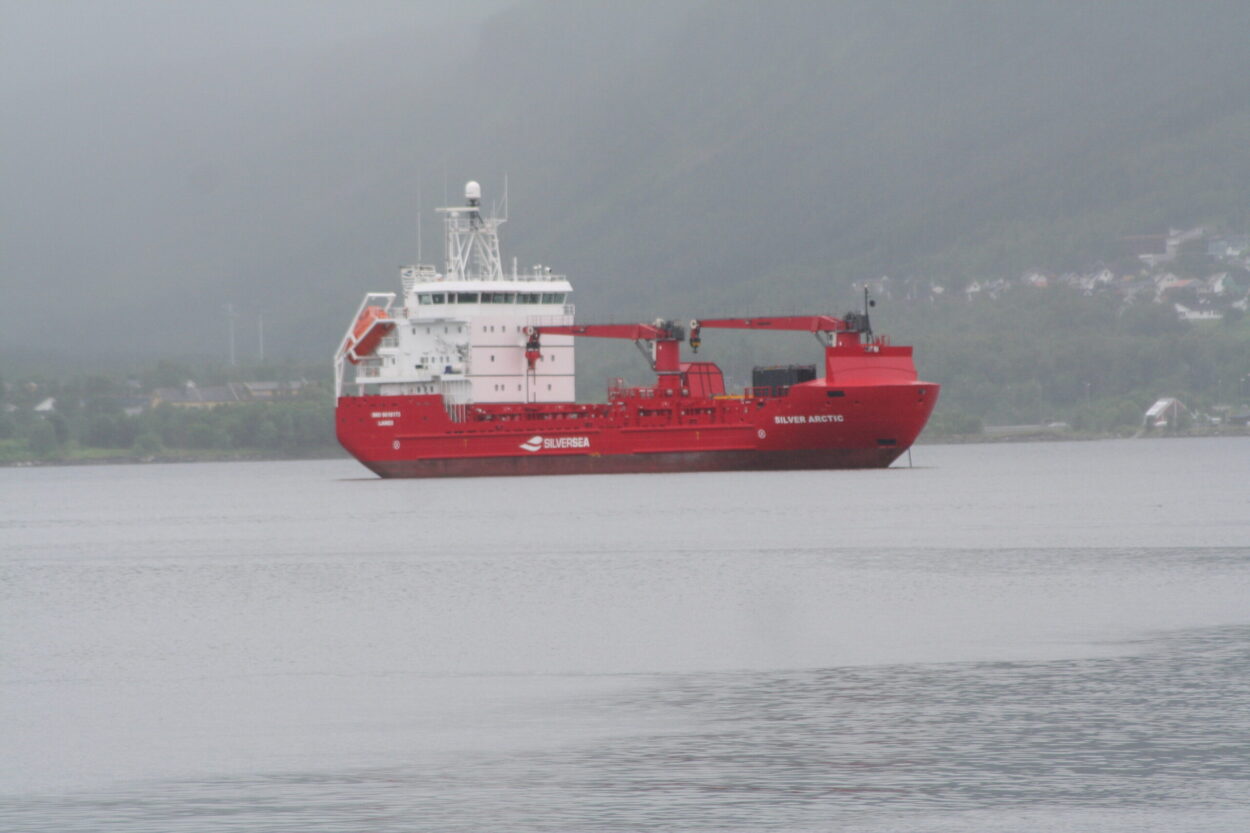
Large engines. Large savings.
Hydrogen micro-dosing cuts fuel consumption on large marine engines — main engines, auxiliary engines and gensets — by 4–10 %, on HFO, VLSFO, MGO, LNG and methanol. Fewer tonnes burned means lower bunker costs and less CO₂ on every voyage.
-
4–10 % fuel reduction On large 2-stroke and 4-stroke engines
-
All marine fuels HFO, VLSFO, MDO, MGO, LNG and methanol
-
Less CO₂ on every voyage ≈ 3.1 t less CO₂ per tonne of fuel saved
-
Retrofit without dry-docking Installed while the vessel stays in operation
How much could your vessel save?
Choose your marine fuel, set consumption in litres or tonnes per hour, and see your fuel, cost and CO₂ savings with hydrogen micro-dosing — between 4 % and 10 % fuel reduction.
CO₂ factors are IMO / EU MRV default emission factors per tonne of fuel burned. Litre values are converted using typical fuel densities (HFO 0.99, VLSFO 0.94, MDO 0.86, MGO 0.84, LNG 0.45, methanol 0.79 kg/L). Actual savings vary with engine load, hull condition and weather.